Behind The Scenes

Field notes, cinema gear breakdowns, lighting technicalities, and production logs.

  • Coastal Scouting Shift: Cinque Terre – Where Architecture Meets the Sea

    Coastal Scouting Shift: Cinque Terre – Where Architecture Meets the Sea

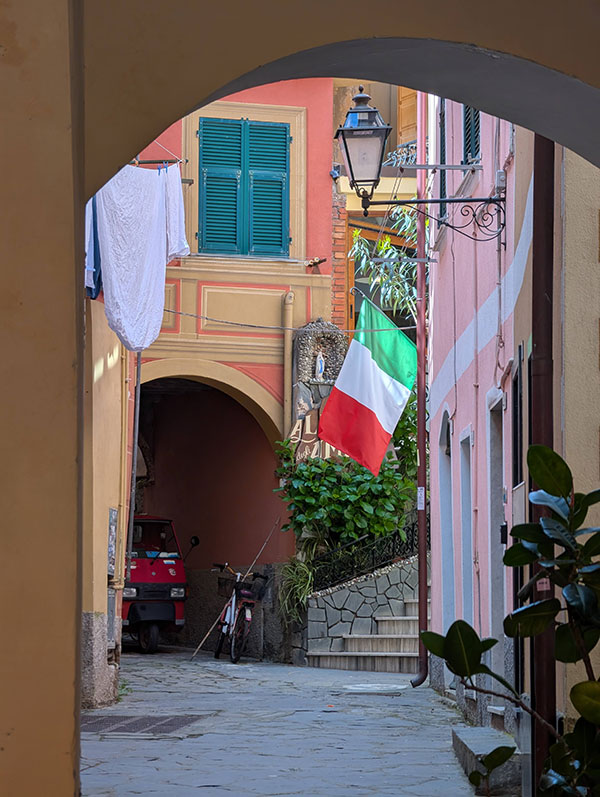
    Leaving the grand Renaissance and Maritime cities of Tuscany, the JMA Films team has moved to the rugged Ligurian coast to scout Cinque Terre (The Five Lands). This UNESCO World Heritage site is a critical destination for our project, offering a visually stunning contrast to the historic inland centres. Cinque Terre is not merely a…

    Read Journal Entry →

    Coastal Scouting Shift: Cinque Terre – Where Architecture Meets the Sea

    Leaving the grand Renaissance and Maritime cities of Tuscany, the JMA Films team has moved to the rugged Ligurian coast to scout Cinque Terre (The Five Lands). This UNESCO World Heritage site is a critical destination for our project, offering a visually stunning contrast to the historic inland centres.

    Cinque Terre is not merely a collection of villages; it is an incredible cultural landscape shaped by a millennium of human effort to cultivate and live on steep, unforgiving cliffsides.

    A New Visual Language: Verticality and Colour

    The five villages—Monterosso al Mare, Vernazza, Corniglia, Manarola, and Riomaggiore—each provide unique visual and logistical considerations:

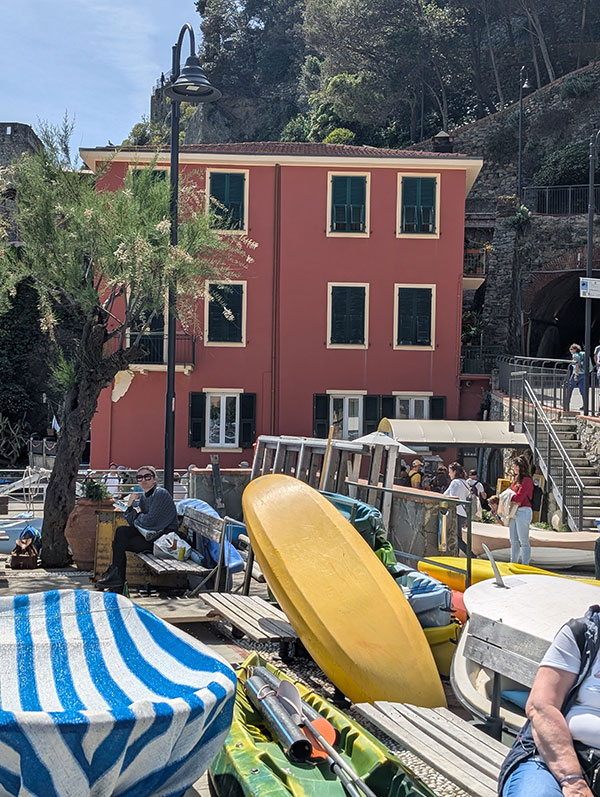
    • Dramatic Integration: Unlike the planned streetscapes of Florence and Pisa, these villages are a cascade of vividly coloured, tightly packed homes clinging to the rock face, connected by steep footpaths (Sentieri) and the local railway. This density and verticality offer a powerful cinematic atmosphere of isolation, community, and resilience.
    • Essential Elements: Our scouting focuses on three key visual elements:
      1. The Terraces: The ancient, dry-stone walled agricultural terraces used for vineyards and olive groves. These landscapes speak volumes about human adaptation and labour.
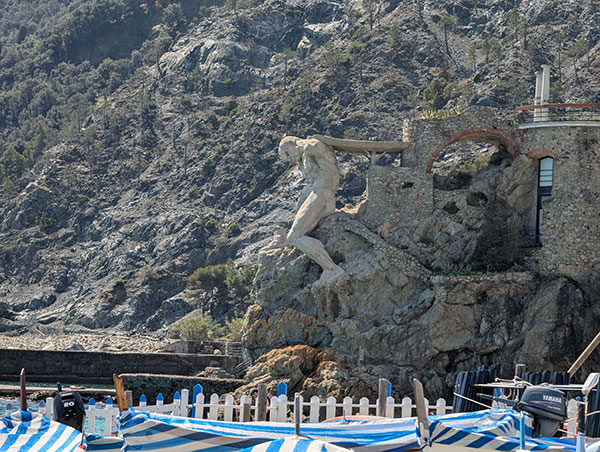
      2. The Harbours: The small, natural ports of villages like Vernazza and Riomaggiore, which frame the colourful buildings against the deep azure of the Ligurian Sea. These are perfect for maritime-focused scenes.
      3. The Coastal Paths: The interconnecting trails that provide breathtaking, high-angle panoramic views, essential for sweeping establishing shots and dramatic chase sequences.

    Logistics for a Challenging Location

    Cinque Terre’s stunning beauty comes with unique production challenges:

    • Accessibility: The region is primarily car-free, relying on a robust train system and passenger ferries for transit between villages. We are compiling detailed logistics for moving crew and equipment efficiently via rail and sea transport.
    • Permitting: As a National Park and UNESCO site, filming requires careful co-ordination with local authorities to manage crowds and protect the fragile environment, particularly on the narrow footpaths.
    • Visual Contrast: This location offers a compelling aesthetic shift from the elegance of Florence to a raw, natural Mediterranean environment. The light reflecting off the coloured facades and the sea offers a dynamic palette throughout the day.

    The visual energy and structural uniqueness of Cinque Terre will provide a spectacular, high-impact backdrop, moving our production’s aesthetic from the historical formality of Tuscany to the wild, vibrant poetry of the Italian Riviera.

  • Florentine Deep Dive: Art, Science, and Renaissance Brilliance

    Florentine Deep Dive: Art, Science, and Renaissance Brilliance

    Our location scouting phase in Florence focused intensely on key institutions that define the city’s identity as the birthplace of the Renaissance, providing rich visual and intellectual context for our project. We spent time within the world-class collections of the Uffizi Gallery and the Galileo Museum, analysing how these spaces can serve as powerful backdrops…

    Read Journal Entry →

    Florentine Deep Dive: Art, Science, and Renaissance Brilliance

    Our location scouting phase in Florence focused intensely on key institutions that define the city’s identity as the birthplace of the Renaissance, providing rich visual and intellectual context for our project.

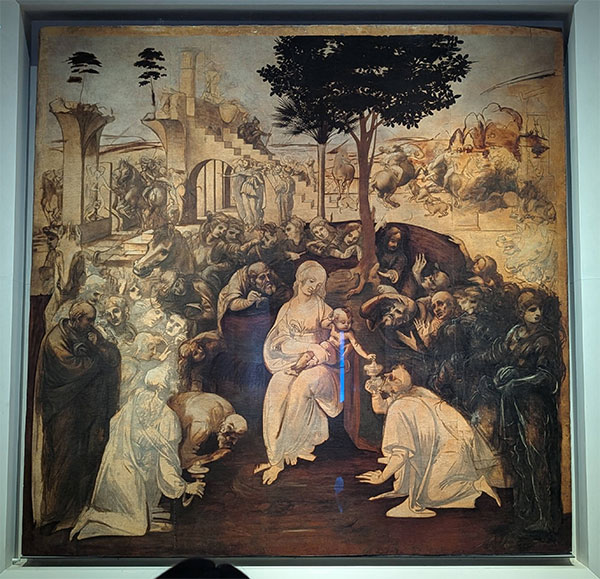
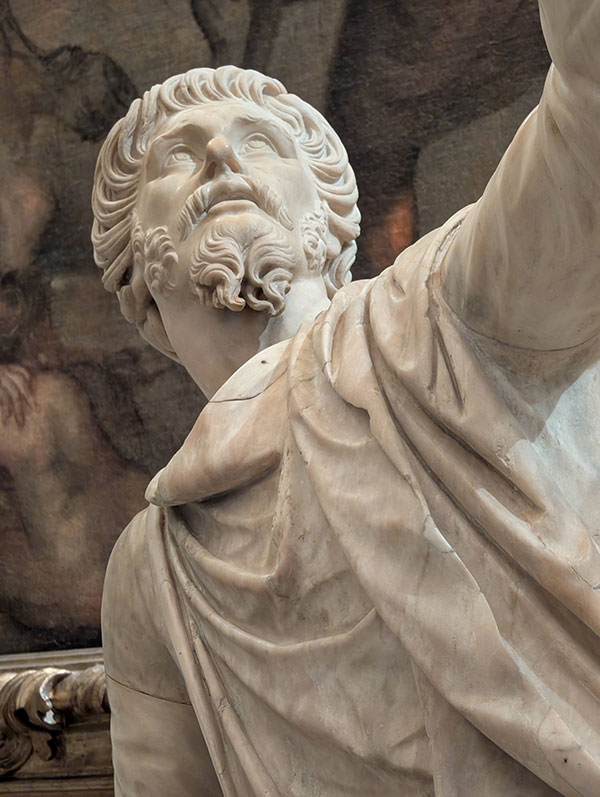
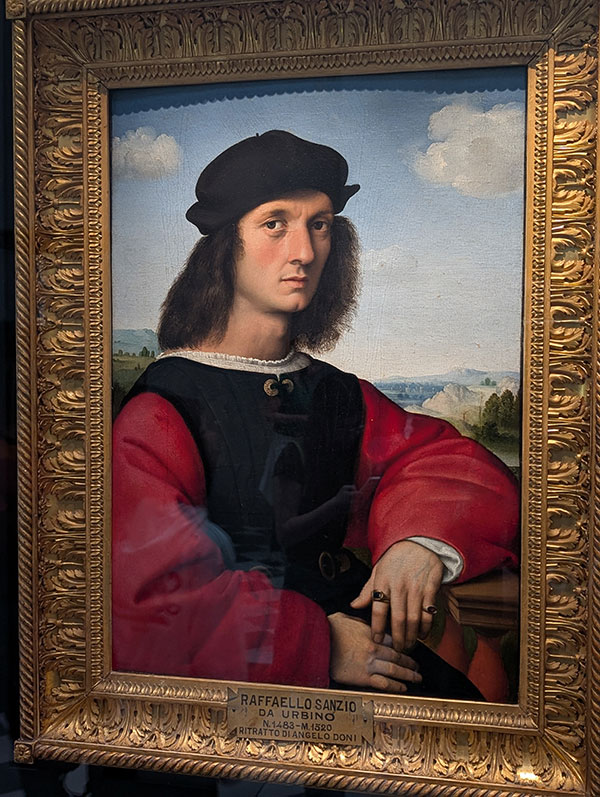
    We spent time within the world-class collections of the Uffizi Gallery and the Galileo Museum, analysing how these spaces can serve as powerful backdrops that speak to artistic mastery and scientific revolution.

    1. The Uffizi Gallery: A Visual Compendium of Power and Beauty

    A walk through the Uffizi Gallery is an unparalleled experience, offering more than just a tour of masterpieces. The gallery itself, designed by Giorgio Vasari, is a work of architectural genius—a long, elegant corridor that was originally built to house the administrative offices (uffizi) of the Medici Grand Dukes.

    • Scouting Focus: We examined the possibility of utilising the Uffizi’s dramatic, uninterrupted corridors for shots that convey immense power, intellectual pursuit, and high-stakes meetings.
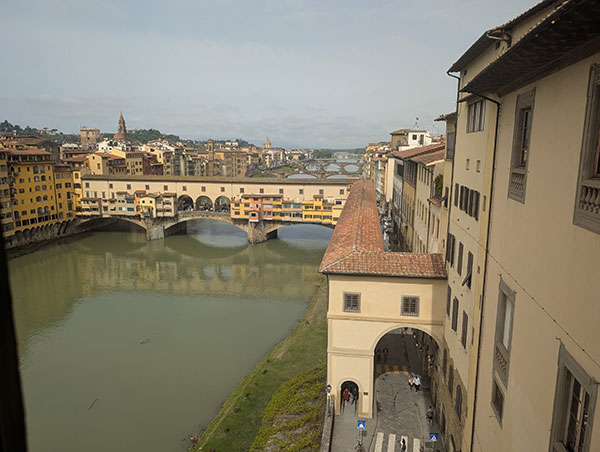
    • Visual Potential: The long, colonnaded walkways, the elaborate ceilings, and the framed views of the Arno River and Ponte Vecchio offer dynamic and atmospheric set pieces that instantly establish a scene’s artistic and historical weight.
    • Narrative Value: The entire structure is a testament to the Medici family’s use of art and architecture to project wealth and control, making it an ideal environment for any project touching on Renaissance politics or patronage.

    2. The Galileo Museum: The Dawn of Modern Science

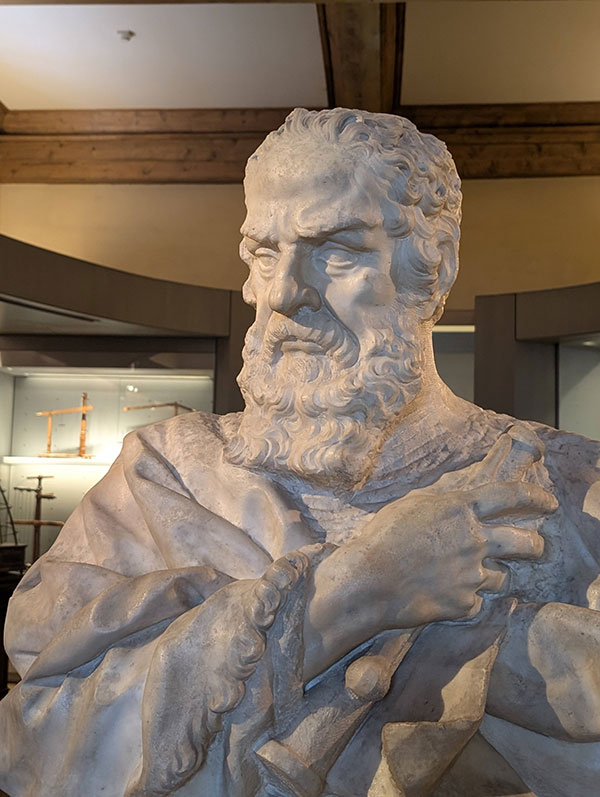
    The Galileo Museum (formerly the Museum of the History of Science) offered a contrasting but equally essential atmosphere. Dedicated to the world-changing discoveries of Galileo Galilei, the space houses one of the world’s most impressive collections of scientific instruments.

    • Scouting Focus: We concentrated on the museum’s rare instruments, including Galileo’s original telescopes and the scientific tools used by the Medici court. These objects provide an authentic, tactile connection to the Scientific Revolution.
    • Visual Potential: The museum’s rooms—with their antique globes, intricate models, and glass-cased scientific relics—present a unique visual texture. They are perfect for scenes requiring an aura of intense study, meticulous engineering, or philosophical contemplation, moving the visual narrative from art to science.
    • Narrative Value: This location allows us to root the project in the intellectual ferment of Florence, where art and science advanced in tandem, offering a compelling backdrop for characters driven by discovery and innovation.

    Our comprehensive scouting of both artistic and scientific hubs in Florence provides a deep foundation for visual storytelling. We are now integrating the findings from Florence with our recent work in Pisa, contrasting the two great Tuscan powers to create a rich and multifaceted location profile for your production.

  • Moving Beyond the Renaissance: Location Scouting in Tuscany Continues in Pisa

    Moving Beyond the Renaissance: Location Scouting in Tuscany Continues in Pisa

    Following a highly productive phase in Florence, where we meticulously catalogued the architectural masterpieces and urban intensity of the Renaissance capital, the JMA Films scouting team has strategically moved west to Pisa. Our goal is to contrast the Medici-era power and complexity of Florence with the distinct flavour of Pisa, capturing the full historical and…

    Read Journal Entry →

    Moving Beyond the Renaissance: Location Scouting in Tuscany Continues in Pisa

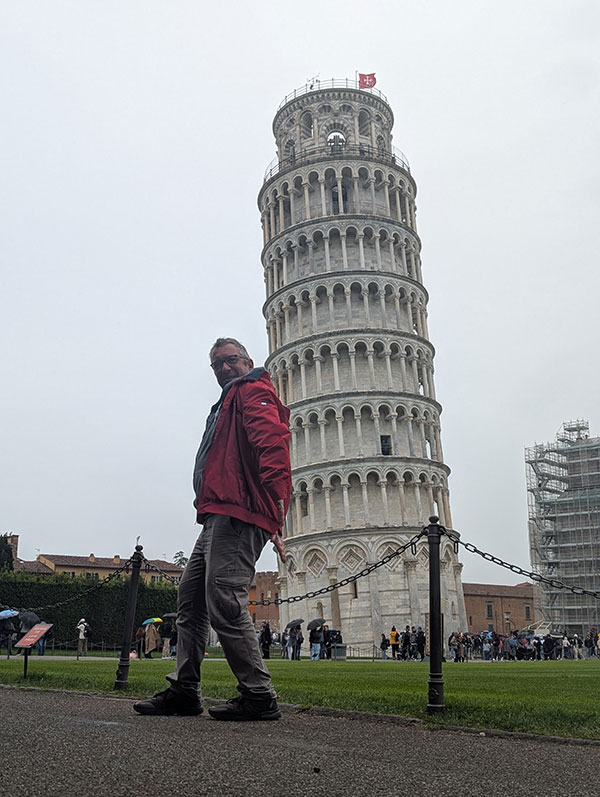
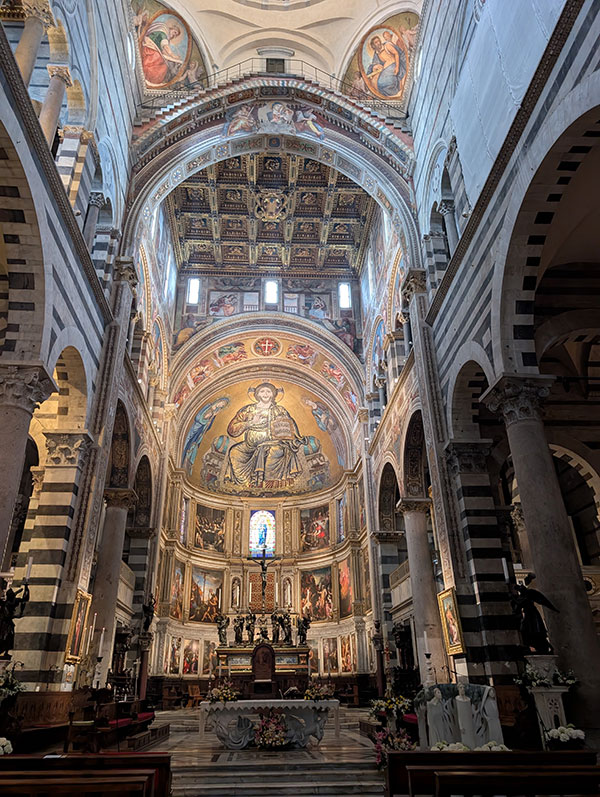
    Following a highly productive phase in Florence, where we meticulously catalogued the architectural masterpieces and urban intensity of the Renaissance capital, the JMA Films scouting team has strategically moved west to Pisa.

    Our goal is to contrast the Medici-era power and complexity of Florence with the distinct flavour of Pisa, capturing the full historical and visual spectrum of the Tuscan region.

    The Pisan Identity: Maritime Power vs. Renaissance Humanism

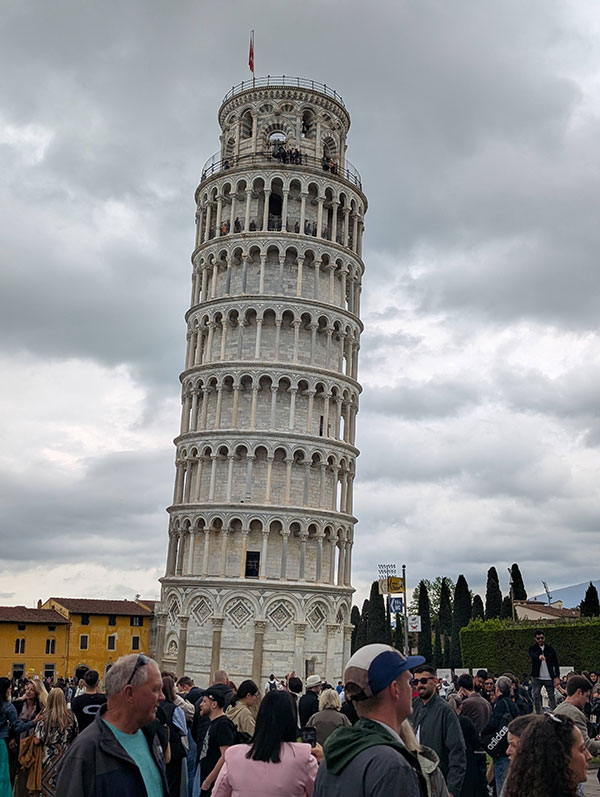
    Pisa offers a crucial visual counterpoint to Florence, representing a different kind of regional power. While Florence flourished under Renaissance humanism and banking, Pisa was defined by its naval supremacy as one of the four great Maritime Republics, with its wealth forged through Mediterranean trade.

    This historical difference is imprinted on the city’s architecture:

    Location CharacteristicPisa’s Visual IdentityFlorentine Counterpoint
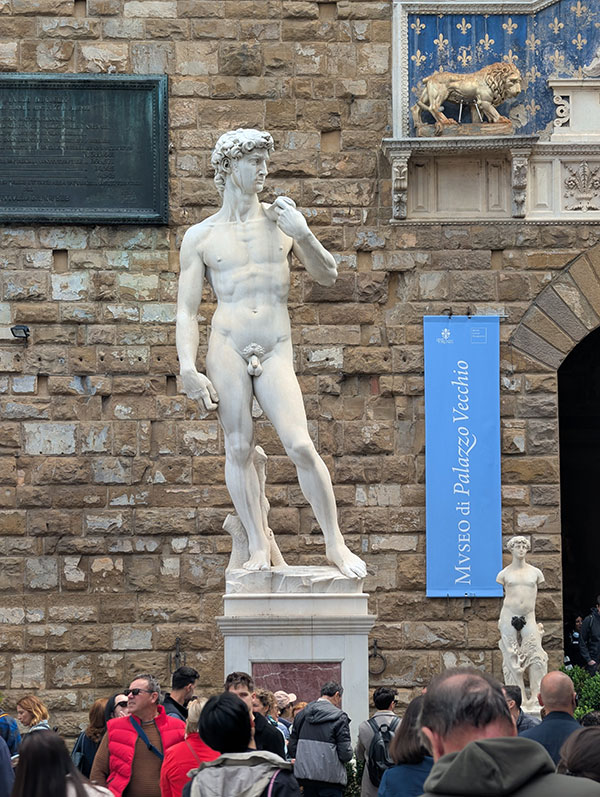
    Architectural StylePisan Romanesque—Gleaming white marble, layered colonnades, and a focus on grand, freestanding civic monuments (Piazza dei Miracoli).Florentine Renaissance—Ochre and stone façades, rationalist design, and tightly integrated urban blocks (Palazzo Vecchio, Pitti Palace).
    Urban MoodWide, open ceremonial spaces (Piazza dei Miracoli) that feel exposed and monumental, contrasting with secluded, porticoed medieval streets.Dense, tightly controlled palazzi and narrow alleyways that convey intense wealth and hidden political intrigue.
    WaterfrontThe Lungarni—Palaces along the Arno that reflect a merchant-aristocracy with strong ties to the sea.The Arno River in Florence, historically focused on connecting to the Tuscan hinterland and industrial power.

    Strategic Value for Production

    Pisa provides essential visual variety for any project set in Tuscany. It allows us to transition from the sophisticated, high-drama aesthetic of a Renaissance centre to a setting that evokes ancient seafaring power and intellectual rigour (as seen in the Scuola Normale Superiore).

    Our scouting here is focused on ensuring your project can utilise this unique transition, offering a more complete and visually dynamic narrative of central Italy.

  • JMA Films Goes Global: Leg Six – Renaissance Roots and Rolling Hills: Florence and Tuscany 🇮🇹

    JMA Films Goes Global: Leg Six – Renaissance Roots and Rolling Hills: Florence and Tuscany 🇮🇹

    From the sovereign heights of San Marino, the JMA Films scout team descended into the historic cradle of the Renaissance: Florence and the surrounding Tuscan countryside. This dual location provides a rich tapestry of settings, from intensely human-scale urban history to sweeping, world-famous pastoral beauty. Florence: The Art of the Hidden City In Florence, our…

    Read Journal Entry →

    JMA Films Goes Global: Leg Six – Renaissance Roots and Rolling Hills: Florence and Tuscany 🇮🇹

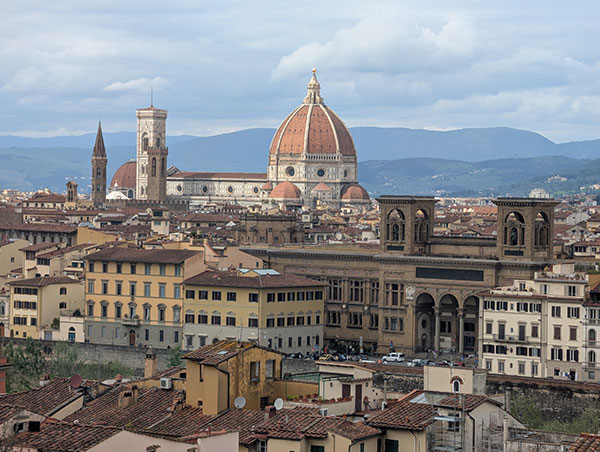
    From the sovereign heights of San Marino, the JMA Films scout team descended into the historic cradle of the Renaissance: Florence and the surrounding Tuscan countryside. This dual location provides a rich tapestry of settings, from intensely human-scale urban history to sweeping, world-famous pastoral beauty.

    Florence: The Art of the Hidden City

    In Florence, our focus was on securing access to unique locations that offer depth beyond the familiar tourist paths:

    • Private Palaces and Hidden Gardens: We explored venues like the Boboli Gardens and the less-crowded Villa Bardini to identify sites that showcase Renaissance grandeur without the logistical nightmare of the main squares.
    • Historical Depth: We scouted locations tied to lesser-known aspects of Florentine history—from Medici intrigue in the Oltrarno district to ancient monasteries like the Badia Fiorentina, seeking atmospheric backdrops perfect for a high-end documentary series.

    The Tuscan Countryside: Cinematic Isolation

    The second phase involved the iconic Tuscan landscape, aiming to capture its dramatic, timeless aesthetic for our wider production needs:

    • Historic Villas as Hubs: We identified magnificent, secluded estates near Florence, like the Dimora Ghirlandaio (a historical home of the Ghirlandaio family), which can serve as both a central filming location and a full-service production base.
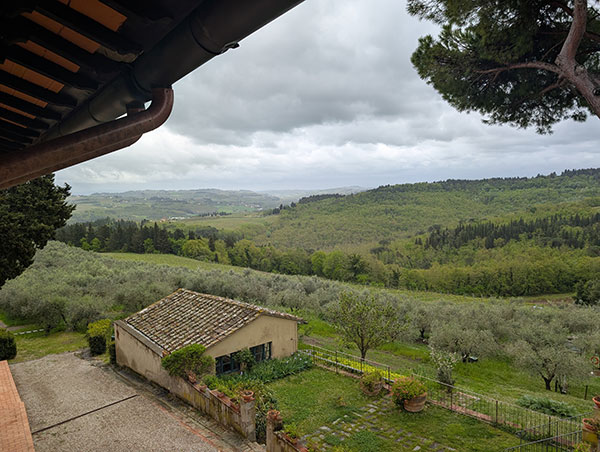
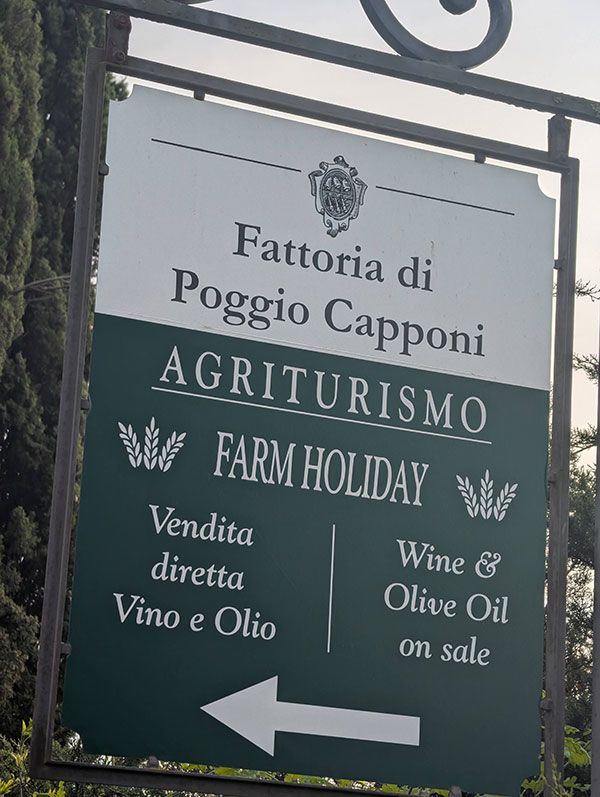
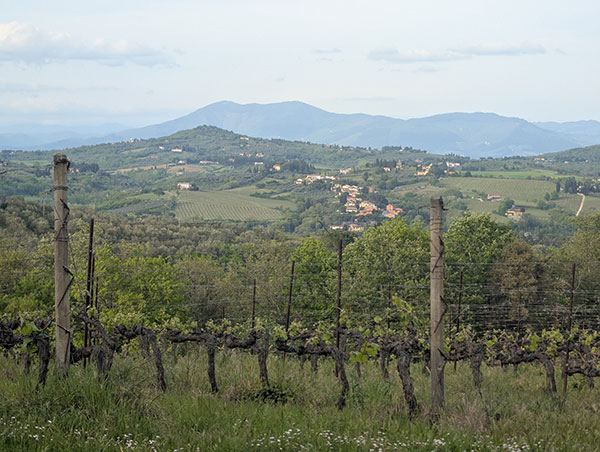
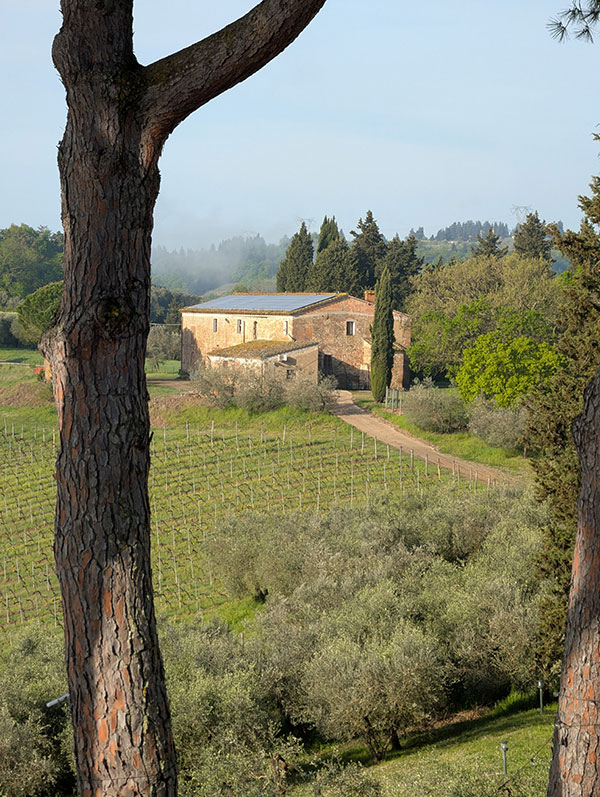
    • The Chianti Region: Scouting the rolling vineyards and cypress-lined roads of the Chianti Classico trail provided incredible visual assets that communicate timeless elegance and deep, generational tradition.

    This strategic blend of unparalleled artistic history in the city and sweeping, authentic landscapes in the country ensures that our next slate of projects will be visually spectacular and deeply rooted in European culture.

    #Florence #Tuscany #Renaissance #LocationScouting #Chianti #GlobalProduction #JMAFilms

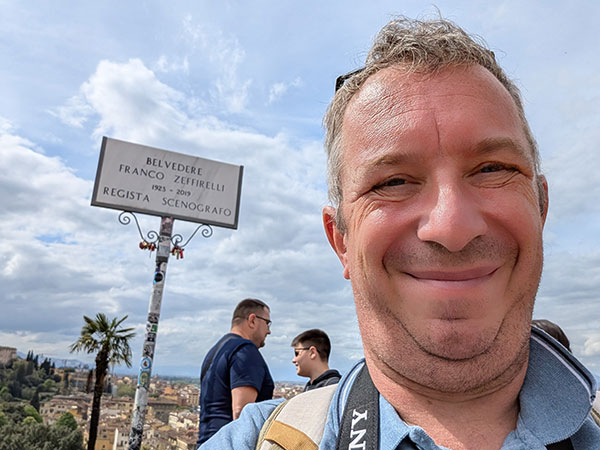
    We paid tribute to the master Zeffirelli at the Franco Zeffirelli Foundation – Museo Franco Zeffirelli in Florence, where his creative genius across theatre, opera, and cinema is preserved and celebrated.

    The Museum, located in the historic San Firenze Complex, is a comprehensive retrospective of his 70-year career, featuring:

    • Over 250 works including original set design sketches, drawings, and exquisite costume designs.
    • Dedicated rooms that showcase his legendary work in Opera (including productions with Maria Callas), Drama Theatre (especially his Shakespearean adaptations like Romeo and Juliet), and Cinema.
    • A special space for the unfinished film adaptation project of Dante’s Inferno.
    • The Foundation also houses an International School for the Performing Arts and regularly hosts concerts, lectures, and temporary exhibitions.”

    You can find the museum at Piazza di S. Firenze, 5, 50122 Firenze FI, Italia.

    What’s Next?

    The journey continues as we head to our next major stop! Stay tuned.

  • JMA Films Goes Global: Leg Five – From Canals to Citadels: Venice and San Marino 🇮🇹🇸🇲

    JMA Films Goes Global: Leg Five – From Canals to Citadels: Venice and San Marino 🇮🇹🇸🇲

    Our international mission to secure compelling documentary and production locations entered a new phase, moving from Central Europe to the Adriatic coast. This leg featured a strategic two-day scout in Venice, Italy, followed by an expedition to the microstate of San Marino. Venice: The Challenge of Cinematic Grandeur Our time in Venice was dedicated to…
    Read Journal Entry →

    JMA Films Goes Global: Leg Five – From Canals to Citadels: Venice and San Marino 🇮🇹🇸🇲

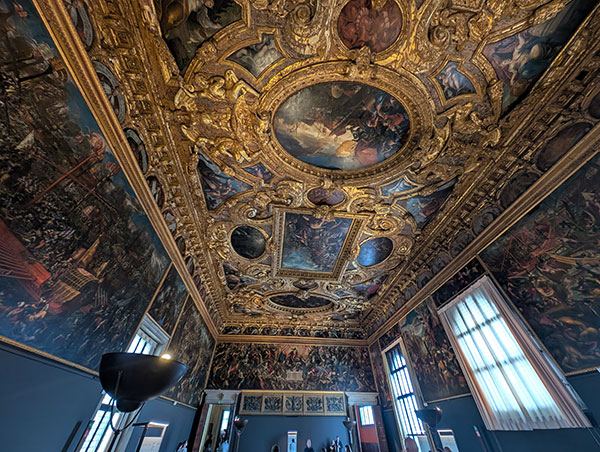
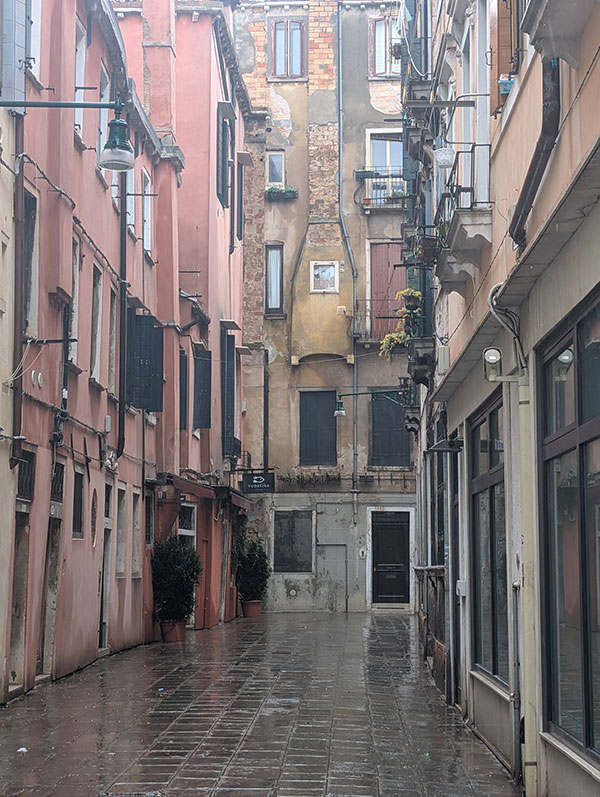
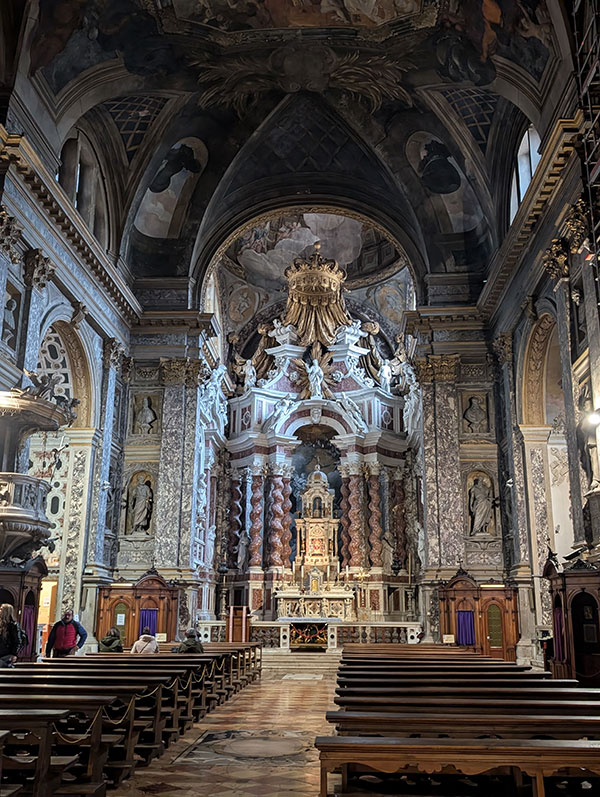
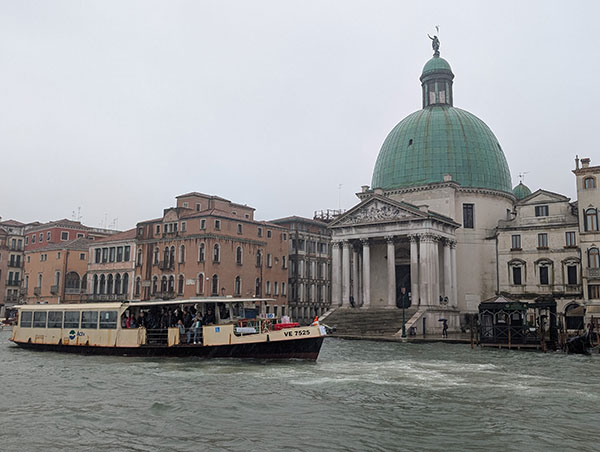
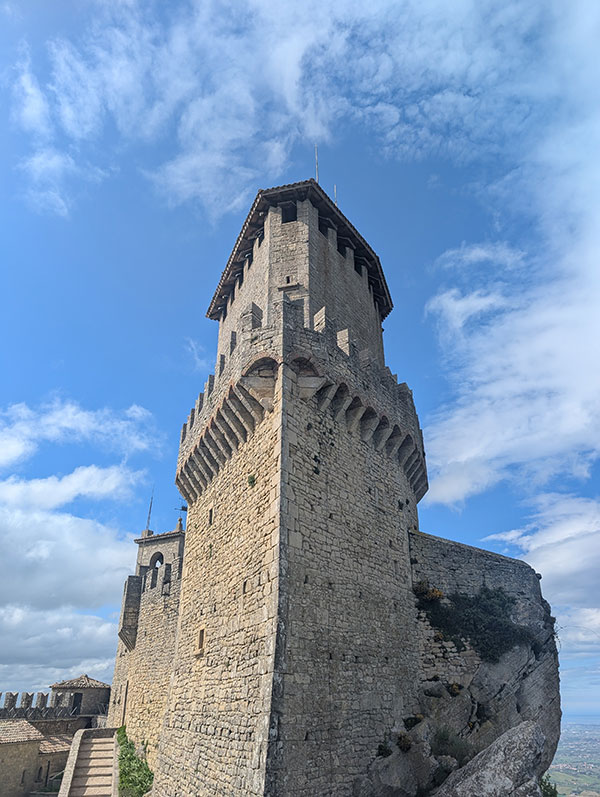
    Our international mission to secure compelling documentary and production locations entered a new phase, moving from Central Europe to the Adriatic coast. This leg featured a strategic two-day scout in Venice, Italy, followed by an expedition to the microstate of San Marino.

    Venice: The Challenge of Cinematic Grandeur

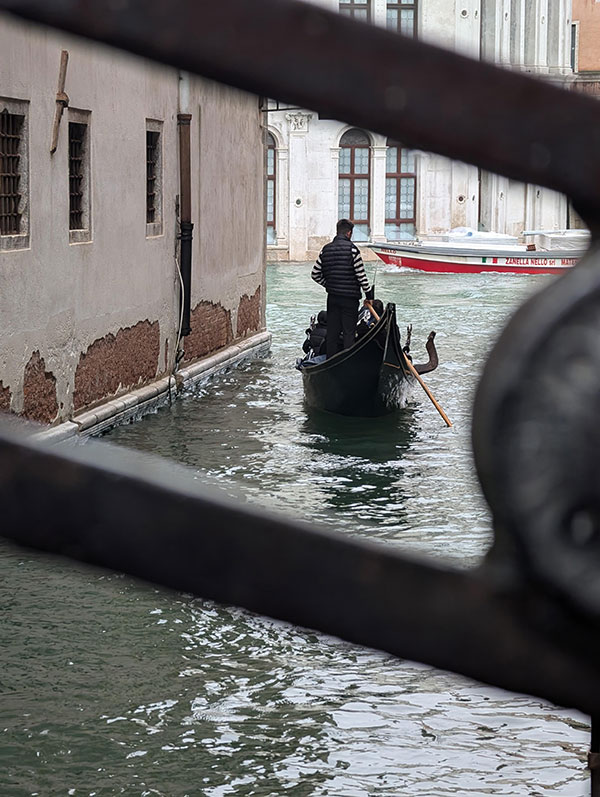
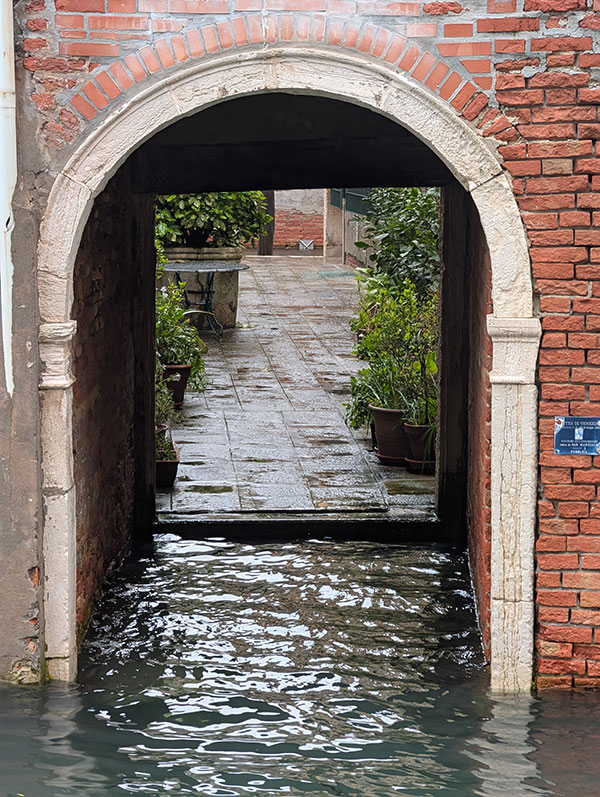
    Our time in Venice was dedicated to scouting beyond the postcard shots. The city’s unique historical and logistical challenges required a specific focus:

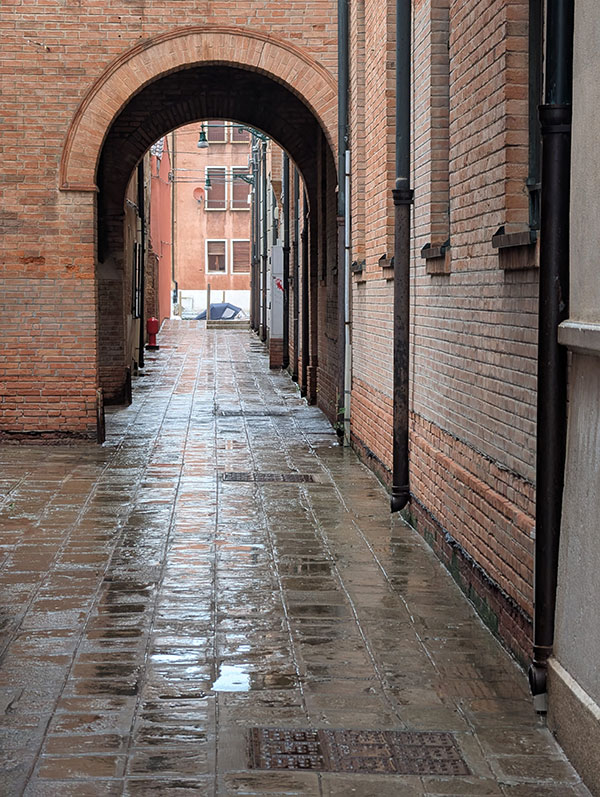
    • Logistical Mastery: We explored locations in the less-touristed sestieri (districts) and the Venetian Lagoon islands to identify practical, cost-effective filming sites that still deliver world-class aesthetic value.
    • Architecture and Atmosphere: We secured unique canal views, grand palazzi, and hidden courtyards that offer high production value for sophisticated narrative and period projects, focusing on authenticity over cliché.

    San Marino: The Ancient Sovereign State

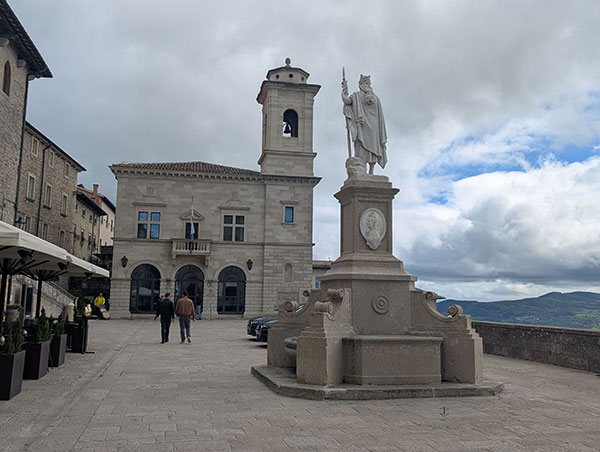
    The journey then took us to the Republic of San Marino—the world’s oldest surviving sovereign state. This location offers unparalleled cinematic value due to its unique geopolitical status and stunning medieval architecture:

    • Three Towers of Monte Titano: The majestic fortress towers (Guaita, Cesta, and Montale) perched on the mountain ridge provide breathtaking, ready-made locations for historical drama, action sequences, and high-impact documentary openings.
    • Uncharted Territory: As a less-frequently filmed European microstate, San Marino offers an air of novelty and unique history that will powerfully set our upcoming documentaries apart, allowing us to tell stories of resilience and sovereignty.

    This combination of iconic European grandeur and deeply unique, sovereign history underscores our commitment to sourcing diverse and high-impact international settings for the 2026 slate.

    What’s Next?

    Stay tuned as we reveal the next major destination in our continuous search for global production excellence!

    #Venice #SanMarino #LocationScouting #Documentary #EuropeanProduction #GlobalFilm #JMAFilms

© 2026 JMA FILMS. All Rights Reserved. Managed under standalone private infrastructure.